Weather-Resilient Outdoor Spaces: How to Design for Longevity and Aesthetics Dec 02, 2025
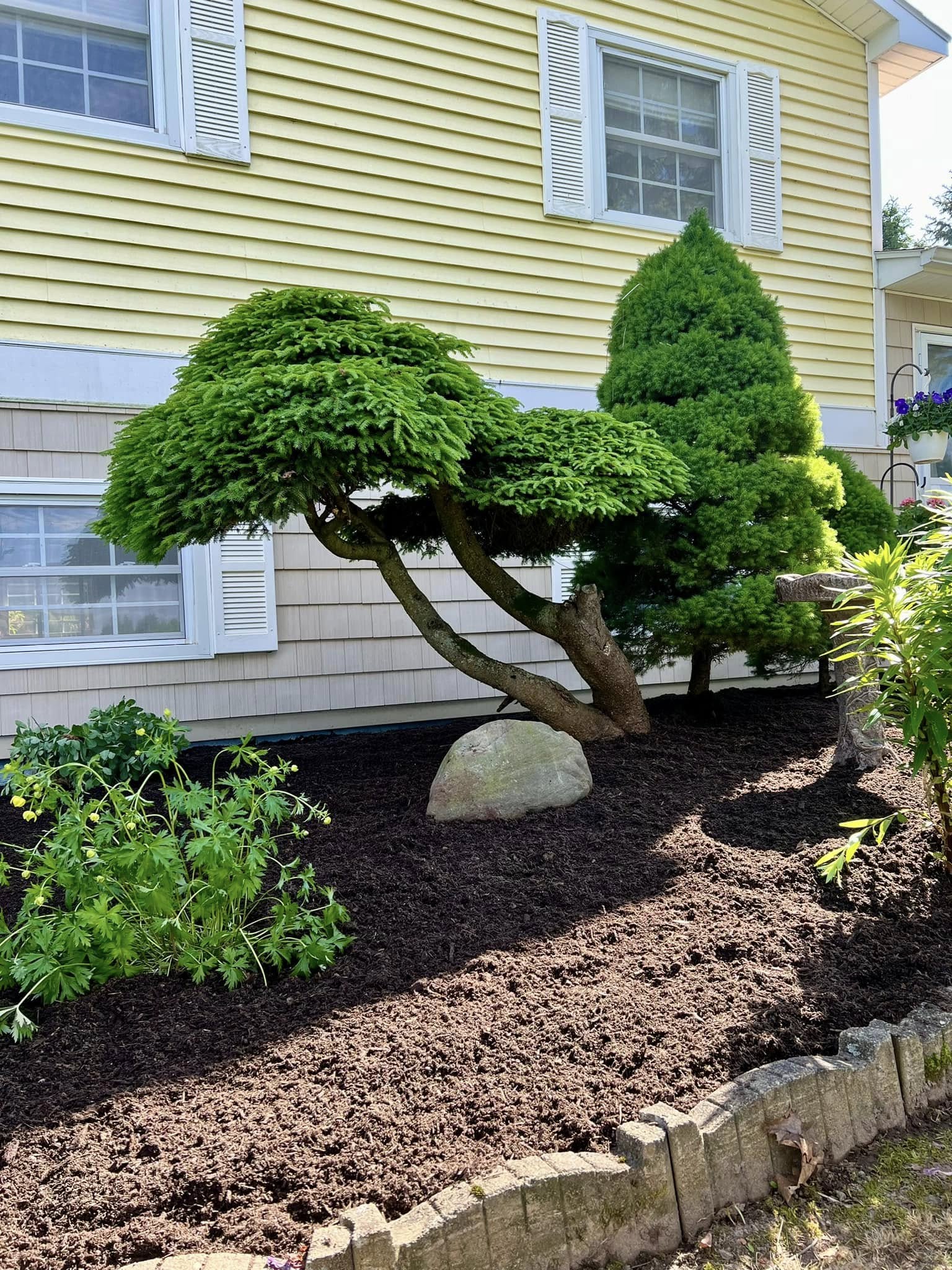
To kick off your journey toward a weather-resilient outdoor space, it’s imperative to understand the elements impacting your surroundings. Begin with an assessment of your local climate conditions. Is your region prone to heavy rainfall, scorching sun, or freezing temperatures? Tailoring your design to these conditions is the first step in crafting a long-lasting landscape. For instance, selecting the right types of trees and shrubs can offer natural protection against harsh winds or provide necessary shade during hot summer months.
Another critical component of weather-resilient design is ensuring proper drainage systems are in place. Poor drainage can lead to erosion and waterlogging, which can cause significant damage to your landscape over time. Solutions such as French drains, permeable paving, and strategically placed rain gardens can effectively mitigate these issues. At Bishop's Property Maintenance, we recommend these solutions as they blend functionality with a natural look, seamlessly integrating into any landscape design.
Material choice plays a significant role in the resilience and appearance of your outdoor area. Opt for materials that are durable yet visually appealing. Natural stone, concrete pavers, and treated wood are popular options, as they offer both durability and a timeless aesthetic. These materials are resistant to weathering and require minimal maintenance, ensuring that your outdoor space remains elegant year-round. Moreover, their varied textures and colors provide flexibility in design, allowing for creative expression while maintaining resilience.
Incorporating native plants into your landscape is another strategy to enhance durability and maintain aesthetic appeal. Native plants are well-adapted to local climate conditions and typically require less water, fertilizers, and pesticides. This not only ensures that your landscape remains vibrant and lush but also supports local biodiversity—an important aspect of sustainable landscaping.
The strategic use of hardscapes versus softscapes can further contribute to the longevity of your design. Hard surfaces provide structure and durability, while soft green spaces bring life and beauty. By creatively balancing these elements, you can create a harmonious outdoor living area that withstands the elements. Outdoor furniture should also be chosen wisely—opt for pieces made from weather-resistant materials like teak, wicker, or steel that can withstand varying weather conditions without compromising style.
In conclusion, designing weather-resilient outdoor spaces is about thoughtful planning and smart choices. By understanding and anticipating climate influences, choosing the right materials, and integrating natural elements intelligently, you can create an outdoor retreat that stands up to the tests of time and nature. At Bishop’s Property Maintenance, our expertise in landscaping and construction ensures that your outdoor spaces are not just built to last, but also enhance the overall beauty and value of your property. Embrace the elements without sacrificing style by investing in a thoughtfully designed landscape that echoes both resilience and elegance.
/filters:no_upscale()/filters:format(webp)/media/a8abad17-8da1-40ec-8c77-f0ed73ae5c32.jpeg)
/filters:no_upscale()/filters:format(webp)/media/c20f5c7e-c93d-4a55-8c2e-9a19b29833d6.jpeg)