The Science of Soil: Understanding and Enhancing Your Garden's Foundation Mar 20, 2026
First and foremost, soil is not just dirt. It is a complex ecosystem that supports plant life through a delicate balance of minerals, organic matter, water, and air. There are several types of soil, including sandy, clay, silt, and loamy, each with unique characteristics. Loam is often considered the ideal soil type for gardening due to its balanced texture and nutrient content.
The science of soil is deeply rooted in its structure and composition. Good soil structure allows water, air, and roots to move freely, promoting healthy plant growth. Soil texture—based on the relative proportions of sand, silt, and clay—affects drainage and nutrient retention. Sandy soils drain quickly but lack nutrients, while clay soils retain nutrients but may suffer from poor drainage.
Understanding soil pH is another vital aspect of soil science. Soil pH measures the acidity or alkalinity of soil, influencing nutrient availability to plants. Most garden plants prefer a slightly acidic to neutral pH range (6.0 to 7.0). Testing soil pH and making necessary adjustments ensures optimal plant growth.
Improving soil health is a continuous process that involves several strategies. One method is the addition of organic matter, such as compost, which enhances soil structure, provides nutrients, and fosters beneficial microorganisms. Composting kitchen scraps and garden waste creates a rich amendment that improves soil fertility and moisture retention.
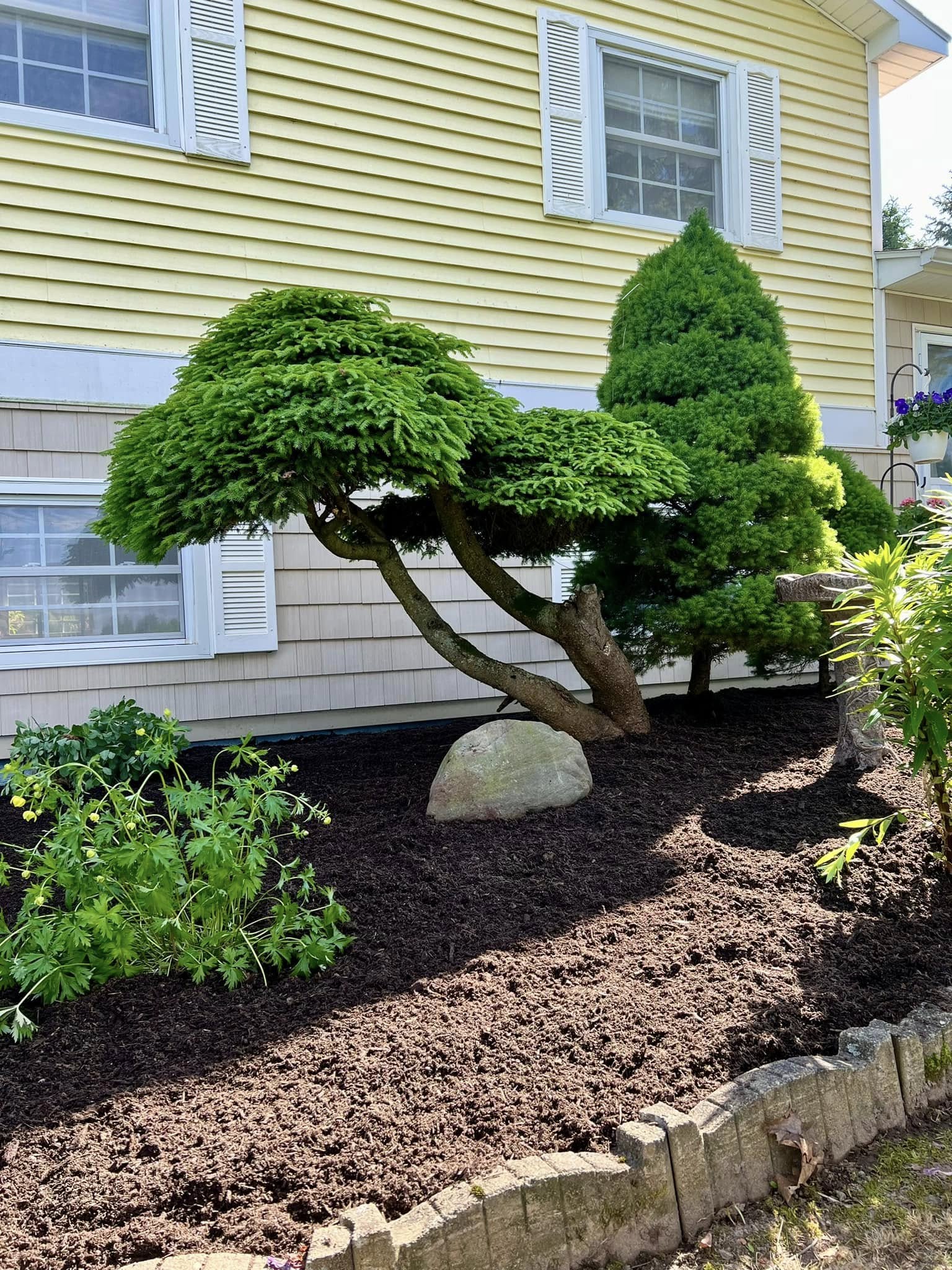
Another approach to enhancing soil is through mulching. Applying a layer of organic or inorganic mulch conserves moisture, regulates temperature, and suppresses weeds—all contributing to better soil health. Organic mulches, such as straw or wood chips, gradually break down, enriching the soil over time.
The role of microorganisms within the soil cannot be overstated. These tiny organisms contribute to nutrient cycling, organic matter decomposition, and disease suppression. Encouraging a diverse soil microbiome involves minimizing chemical inputs and maintaining healthy levels of organic material.
Regularly testing and amending soil as needed keeps gardens flourishing. Soil tests, conducted at the onset of a gardening season, reveal nutrient deficiencies and soil pH imbalances, guiding the choice of fertilizers and amendments. For instance, nitrogen promotes leafy growth, phosphorus supports root development, and potassium aids overall plant health.
It's also important to consider the physical act of soil cultivation. Over-tilling can disrupt soil structure and lead to erosion. Instead, practicing minimal tillage maintains the natural structure and prevents compaction. This approach, along with crop rotation and cover cropping, supports the long-term health of garden soil.
In conclusion, the science of soil is foundational to a successful garden. By understanding and enhancing your garden's soil, you create a healthy environment where plants can thrive. At Bishop’s Property Maintenance, we are committed to helping you develop a robust garden through informed soil management practices. Remember, a strong foundation is the key to a flourishing landscape. Let us help you achieve that perfect balance in your garden.
/filters:no_upscale()/filters:format(webp)/media/a8abad17-8da1-40ec-8c77-f0ed73ae5c32.jpeg)
/filters:no_upscale()/filters:format(webp)/media/c20f5c7e-c93d-4a55-8c2e-9a19b29833d6.jpeg)